
Blog
How AHERA Affects Schools

Passed in 1986, the Asbestos Hazard Emergency Response Act (AHERA) aimed to control the exposure of asbestos in public and non-profit school districts. Doing so has helped limit how much asbestos our children are exposed to throughout their early years. However, just because AHERA was passed three decades ago doesn’t mean the work is done…. Read More
Understanding the Lead and Copper Rule

When we take a drink of water, we assume that water is clean and free of contaminants. In many cases, this is true. However, in too many areas across America, our water is polluted with lead and copper. To help reduce the levels of lead and copper in our drinking water, the EPA created the… Read More
Everything You Need to Know About Radon Testing
Radon is a danger that many homeowners and businessowners need to contend with. It is a colorless, odorless gas containing uranium and radium that results with the natural decay of bedrock. Both uranium and radium are radioactive and therefore harmful to our health. Getting your home or business tested for radon is vital to protect… Read More
What Are VOCs?
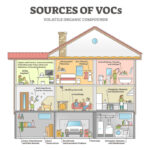
VOCs, or Volatile Organic Compounds, are chemical compounds that have a high vapor pressure and low water solubility. They are released into the air as gases emitted from various products and industrial processes. VOCs are typically human-made chemicals that can cause adverse long-term and short-term health effects. Understanding the basics of VOCs, then, can help… Read More
Everything You Need to Know About Employee Exposure Assessments

As an employer, it is your responsibility to keep your employees healthy and safe. To ensure employee safety, you need to know if there are any hazardous materials and/or conditions at your workspace, and how those hazardous conditions could impact your workers. Employee exposure assessments are a key part of this process. Read on to… Read More
Understanding the Lead Disclosure Rule

In 1978, the federal government outlawed the use of lead-based paint. However, many of the homes and apartment complexes we live in still contain lead-paint. Why? Because they were built prior to 1978. While landlords and property owners are lot legally obligated to remove lead paint, they are required to notify residents or potential residents… Read More
How to Prevent Mold Growth

Mold is a problem that both homeowners and businessowners must contend with. Not only can it cause structural damage to your property, but mold can also cause allergies and illness for inhabitants. Thankfully, most mold growth is within our control. By taking preventative measures, we can protect our properties and the people that inhabit them… Read More
How to Improve Indoor Air Quality

Whether it’s at home or at work, we spend most of our time indoors. However, our indoor environments can be filled with pollutants. Mold, smoke, paint fumes, and pet dander are just some of the many indoor air pollutants we face on a daily basis. Overexposure to these pollutants can harm our health, especially for… Read More
Understanding Environmental Due Diligence

When you’re buying a property, no stone should be left unturned. You need to know its history, as well as any environmental factors that may impact liability. This is especially important if you’re investing in commercial properties. Thankfully, by practicing environmental due diligence, you can ensure that your property is shielded from environmental liability. Learn… Read More
Lead Poisoning in Children: Causes, Symptoms, And What to Do About It

Lead poisoning is a serious affliction for anyone, but especially so for children. Children are particularly susceptible to the effects of lead poisoning. As such, understanding the causes and keeping an eye out for symptoms and signs of lead paint can help you prevent the worst effects of lead poisoning. What causes lead poisoning in… Read More